
How to keep food warm in winter: Pre-warm your containers, transfer food immediately, and keep lids closed. Use hot casseroles for rotis, rice, and curries, and insulated serving bowls for dal and gravies. For hosting, hold dishes in a low-heat oven or use a hot-water tray under bowls to maintain serving temperature longer.
Winter meals have their own kind of romance, the steam rising from a bowl of dal, the comforting weight of a hot roti in your hand, the way everyone naturally gathers closer around the dining table. But the cold has one tiny talent: it steals warmth from food fast. If you’ve been Googling how to keep food warm in winter, you’re really asking for something deeper, how to keep that just-cooked comfort alive until the last bite.
The good news? Learning how to keep food warm in winter isn’t about cooking more. It’s about holding heat smarter, with a few cozy habits and the right kind of serveware that quietly does the hard work while you enjoy the moment.
1) Start a “warm chain” before the food even hits the table
One of the simplest answers to how to keep food warm in winter is to reduce the “open air time.” Heat escapes quickly when you move food from pan - open bowl - uncovered serving.
Try this warm chain:
-
Pre-warm your serving container with hot water for a minute, then wipe it dry
-
Transfer food immediately
-
Close the lid right away
-
Open only when serving
This tiny routine makes serving hot food at home feel effortless, especially on days when family members eat at different times.
2) Let a hot casserole be your winter co-host
If winter had a kitchen assistant, it would be a good insulated casserole, because it keeps food warm while you keep life moving. The trick is to choose casseroles like you choose winter blankets: some for daily comfort, some for special moments, and one that’s perfect for big gatherings.
For everyday curries, dal, rice, or even warm curd, something like the VINOD Stainless Steel Montero Insulated Casserole with Glass Lid & Steel Knob fits naturally into routine dinners, easy to place on the table, easy to serve from, and easy to keep closed between helpings. That “close the lid again” habit is a major part of how to keep food warm in winter without reheating.
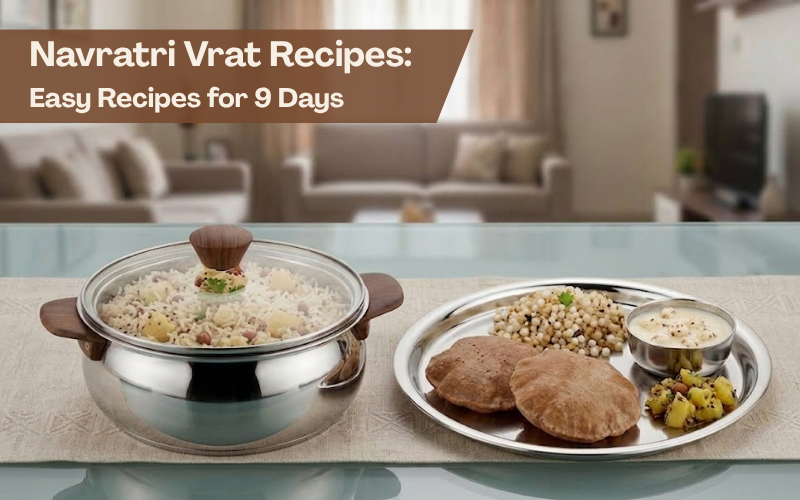
Want a slightly different vibe, more earthy and cozy? The VINOD Stainless Steel Aroma Insulated Casserole with Glass Lid & Wooden Knob adds a warm, homely touch to winter dining. It’s the kind of piece that looks inviting even before the first serving.
And for those evenings when you want your table to look a little festive (but still practical), the Vinod Stainless Steel Milano Hammered Serving Casserole brings that subtle “guest-ready” feel, without turning dinner into a formal event.
3) Use the “small on table, rest covered” hosting hack
If you’re serious about how to keep food warm in winter, here’s the hosting rule that never fails: don’t expose everything at once.
Serve smaller portions on the table, and keep the remaining food covered in casseroles. This keeps heat locked in, keeps food fresh, and makes serving hot food at home feel calm instead of chaotic.
For gravies and dals, pair your casserole strategy with insulated serving bowls, they hold warmth much longer than regular bowls, so each spoonful stays comforting, not lukewarm. This is especially helpful when dinner conversations stretch longer (which they always do in winter).
4) Rotis, parathas, puris: keep them warm without turning soggy
Rotis are the first to complain in winter, soft one minute, stiff the next. The secret to how to keep food warm in winter for rotis is warmth + breathability.
Store rotis in a casserole lined with a clean cotton cloth or napkin. The cloth prevents excess moisture from making them soggy, while the insulated walls keep them warm. It’s a simple upgrade that instantly improves serving hot food at home, especially when everyone reaches for one more roti after “I’m done.”
5) When you want sleek simplicity on the table
Some days you don’t want hammered patterns or statement pieces, you want clean, modern, minimal. That’s where the VINOD Stainless Steel Milano Plain Serving Casserole With Steel Lid & Side Handle feels right at home. It’s the kind of casserole that blends into any table setting while doing exactly what winter needs: keeping food warm and covered.
And if you like mixing styles for different dishes, one casserole for rice, another for sabzi, another for dal, this approach makes how to keep food warm in winter feel organized and elegant.
6) For big batches, go “party-proof”
If you’re making biryani, chole, pulao, or anything meant to feed a crowd, you need a casserole that can handle volume without constant reheating. That’s where a large-capacity option, like the Vinod Stainless Steel Casserole 6.5 Ltr, becomes a true winter hero.
Big batches cool slower, yes, but only if you keep them covered and insulated. This is one of the most practical answers to how to keep food warm in winter when you’re hosting, meal-prepping, or feeding a joint family.
7) Add variety with styles that still keep heat locked
If you like a slightly more modern, standout look, the Vinod Stainless Steel Two Tone Belly Hot Casserole is a lovely way to serve winter favorites while keeping warmth in. And for multi-use convenience (especially when you want one piece to do many jobs), the Vinod Stainless Steel Multipurpose Hot Casserole with lid is a smart addition to your winter table routine.
Pair these with insulated serving bowls for dals and gravies, and you’ll notice how much smoother serving hot food at home becomes, food stays warm, the table stays neat, and you stop running back to the kitchen.
Keep the Warmth Going
Winter food is meant to be enjoyed slowly, with warmth that lasts beyond the first serving. Understanding how to keep food warm in winter is less about extra effort and more about thoughtful serving, using insulated casseroles, insulated serving bowls, and smart habits that lock in heat. When food stays warm, conversations last longer, meals feel more comforting, and serving hot food at home becomes a joy rather than a rush. With the right approach, every winter meal can feel just as fresh and inviting as when it left the stove.
FAQs
1) How to keep food warm in winter without reheating again and again?
The best way to keep food warm in winter is to transfer freshly cooked dishes immediately into insulated hot casseroles, keep the lids closed, and open them only while serving. This reduces heat loss and avoids repeated reheating that can spoil taste and texture.
2) What is the best way for serving hot food at home during a winter party?
For serving hot food at home during winter gatherings, keep main dishes covered in hot casseroles and serve smaller portions on the table. Refill from the casserole as needed and use insulated serving bowls for gravies and dals so food stays warm throughout the meal.
3) Do insulated serving bowls really keep curry and dal warm longer?
Yes, insulated serving bowls help retain heat much longer than regular bowls, especially for curry, dal, sambhar, and kadhi. They slow down heat loss, ensuring every serving remains comforting and warm during winter meals.
4) How can I keep rotis warm and soft in winter?
To keep rotis warm and soft in winter, store them in a hot casserole lined with a clean cotton cloth. The insulation traps warmth while the cloth absorbs excess moisture, preventing rotis from becoming soggy or stiff.
5) Which casserole is best for biryani or big batches for guests?
For biryani, pulao, or large quantities cooked for guests, a large insulated option like the Vinod Stainless Steel Hot Casserole (often searched as Vinod Stainless Steel Casserole 6.5 Ltr) is ideal, as it holds heat longer and reduces the need for reheating.
6) How long does food stay warm in an insulated casserole in winter?
When pre-warmed properly and kept covered, food can stay warm in an insulated casserole for several hours in winter, depending on the quantity of food and how often the lid is opened.
7) What should I avoid if I want to keep food warm during serving?
Avoid leaving food uncovered, opening casserole lids frequently, or transferring hot food into cold containers. These mistakes cause rapid heat loss and make it harder to keep food warm in winter.
Explore the full Vinod Steel range — cookware, tableware, tiffins and dinner sets. ISI certified, food grade, lifetime guarantee against rust.