
In every kitchen, the cookware you choose isn't just about function, it's about health, ease, and trust. As the debate between stainless steel and non-stick cookware continues, Indian households are making the shift toward materials that last longer and serve healthier meals. So, is stainless steel really a healthier choice over non-stick?
Let’s break it down and explore how products like those from Vinod Steel’s triply stainless steel cookware collection offer the best of both worlds.
Understanding the Materials
What is Stainless Steel Cookware?
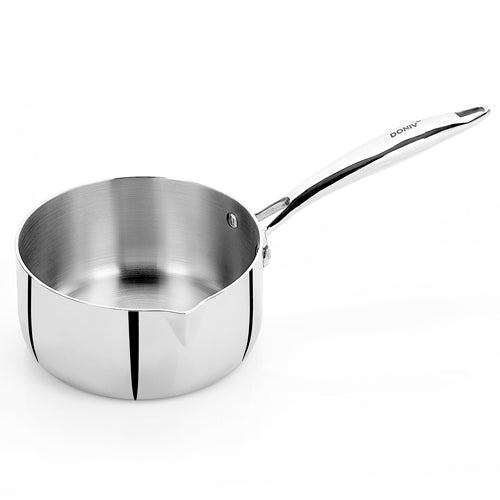
Stainless steel is a non-toxic, non-reactive alloy that doesn’t release any chemicals into your food. Products like the Vinod Doniv Triply Stainless Steel Saucepan provide a reliable solution for boiling milk or preparing nutrient-rich dals, without compromising safety.
What is Non-Stick Cookware?
Non-stick cookware typically uses coatings such as PTFE (Teflon). While it allows for easy cooking and cleaning, concerns arise when these coatings deteriorate particularly if exposed to high heat or scratched with metal utensils.
Health Implications
Stainless Steel: The Health-Conscious Choice
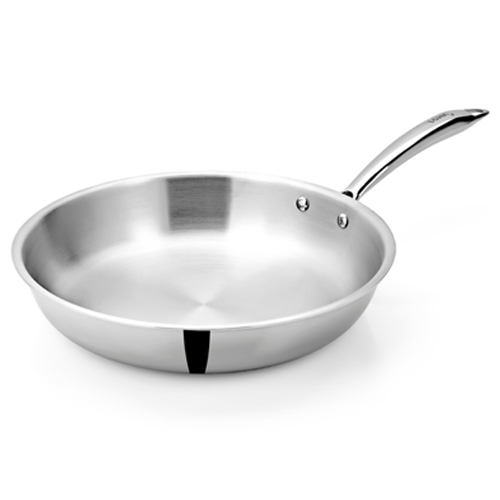
Using cookware like the Vinod Triply Fry Pan ensures zero chemical leaching. It's a non-reactive surface, making it perfect for cooking tomatoes, tamarind, or anything acidic, a frequent need in Indian kitchens.
Non-Stick: Hidden Dangers
When overheated or scratched, non-stick coatings may release toxins or flakes that could end up in your food. While convenient, this makes them less appealing for health-focused cooking.
Durability and Longevity
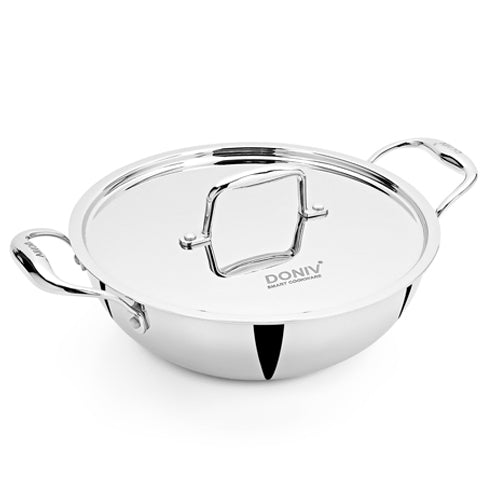
Stainless steel cookware, like the Vinod Doniv Triply Stainless Steel Kadhai, is designed to last decades even with daily use. On the other hand, non-stick pans often lose their coating and effectiveness within 1–2 years, especially if used improperly.
Cooking Performance
Stainless Steel for Professional Results
Great for browning, sautéing, and deglazing, stainless steel cookware develops flavor in ways non-stick can't. Preheat the pan, add oil, and you're good to go with dishes ranging from sabzis to cutlets.
Non-Stick for Delicate Items
For quick and low-fat cooking (like pancakes or scrambled eggs), non-stick offers convenience. However, it can’t replicate the crisp or caramelization you get from stainless steel.
Maintenance and Cleaning
Triply stainless steel from Vinod is dishwasher safe, resilient to high heat, and can even withstand metal spatulas. Unlike non-stick, which requires gentle hand-washing and silicone utensils, stainless steel keeps up with a busy kitchen's demands.
Eco-Friendly Edge
Stainless steel is 100% recyclable and built to last reducing waste significantly over time. Choosing Vinod’s stainless steel cookware is a step toward a greener, healthier lifestyle.
Conclusion
When it comes to balancing health, durability, and performance, stainless steel is a clear winner over non-stick. Especially when you have reliable, high-quality options like those from Vinod Steel. Make the switch, and give your family meals the safe, sustainable foundation they deserve.
FAQs
1. Why should I switch from non-stick to stainless steel?
Stainless steel is safer, non-toxic, and far more durable than non-stick. It’s ideal for long-term use in Indian kitchens.
2. Is stainless steel suitable for all types of cooking?
Absolutely. It works across all heat sources and cooking styles—from high-heat searing to simmering soups.
3. How do I prevent food from sticking to stainless steel?
Preheat the cookware, add oil, and then add your food. With a little technique, you’ll enjoy a natural non-stick experience.
4. Do you offer stainless steel cookware that works on induction stoves?
Yes! All products in our triply collection are induction-compatible.
Shop Our Stainless Steel Cookware Collection
Upgrade to a healthier kitchen today with our best-selling stainless steel options:
Explore the full Vinod Steel range — cookware, tableware, tiffins and dinner sets. ISI certified, food grade, lifetime guarantee against rust.