
Common Pressure Cooker Problems and How to Fix Them

Introduction
Pressure cookers have become a popular kitchen appliance due to their ability to cook meals quickly and efficiently. However, like any kitchen appliance, they can experience common problems that can be frustrating if not properly addressed.
While many issues can be resolved with proper usage and maintenance, the type and quality of pressure cooker you use also plays a crucial role in preventing these problems. In this updated guide, we’ll look at the most common pressure cooker problems along with practical solutions and how choosing the right cooker can make a difference.
Overheating
One of the most common pressure cooker problems is overheating. If your pressure cooker is overheating, it may be due to insufficient liquid, a damaged gasket, or a blocked vent pipe. In some cases, cookers with thin bases can also cause uneven heat concentration, leading to burning and overheating.
Solution:
If your pressure cooker is overheating, turn off the heat source immediately and release the pressure. Check the liquid levels, inspect the gasket, and clean the vent pipe if required.
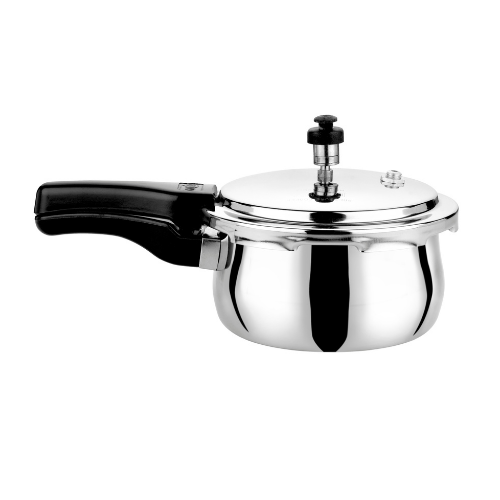
If this issue occurs frequently, it may be due to poor heat distribution in the cooker. Using a triply stainless steel pressure cooker like the VINOD DONIV Triply Outer Lid Pressure Cooker helps ensure even heat distribution and significantly reduces overheating and burning during cooking.
Sealing Issues
Another common problem with pressure cookers is sealing issues. If your cooker isn’t sealing properly, it can prevent pressure from building up and affect cooking performance.
This usually happens due to a misaligned lid, a dirty or worn-out gasket, or issues with the pressure release valve.
Solution:
Ensure the lid is properly aligned before use and clean the gasket regularly. If the gasket is damaged, it should be replaced with a compatible one.
If sealing issues persist, it is often better to switch to a cooker with a more reliable locking system. The VINOD DONIV Amaze Inner Lid Steel Pressure Cooker is designed with an internal locking mechanism that improves sealing efficiency and maintains consistent pressure, making it ideal for daily cooking.
Steam Leakage
Steam leakage is a sign that the cooker is not maintaining proper pressure. This can be caused by a damaged gasket, overfilling, or structural issues such as dents or cracks.
Solution:
Clean the gasket regularly, avoid overfilling the cooker, and inspect it for any visible damage.
If leakage continues despite proper maintenance, it may indicate that the cooker’s sealing mechanism is not effective. Using a high-quality product like the VINOD DONIV Triply Outer Lid Pressure Cooker ensures better pressure retention due to its durable lid design and strong sealing system.
Pressure Cooker Not Building Pressure
A common issue many users face is when the cooker fails to build pressure at all. This can delay cooking and affect food quality.
Causes:
-
Insufficient liquid
-
Faulty gasket
-
Loose pressure valve
Solution:
Check that there is enough liquid in the cooker and ensure the gasket is properly fitted. Clean the pressure valve to remove any blockage.
If the issue happens repeatedly, it may be due to wear and tear or poor-quality components. Switching to a reliable option like the VINOD DONIV Amaze Inner Lid Pressure Cooker helps maintain consistent pressure and ensures faster, more efficient cooking.
Whistle Not Working Properly
Another issue users report is the whistle not functioning correctly or producing inconsistent sound.
Causes:
-
Blocked vent pipe
-
Incorrect pressure build-up
-
Low-quality regulator
Solution:
Clean the vent pipe thoroughly and ensure the regulator is functioning properly.
Using a well-engineered cooker like the VINOD DONIV Triply Outer Lid Pressure Cooker, which comes with a precision pressure regulator, helps maintain consistent pressure levels and ensures proper whistle function during cooking.
Other Common Pressure Cooker Problems and Solutions
Uneven cooking can be fixed by stirring the food or using a separator. Burnt food can be avoided by turning off the heat immediately and allowing pressure to release naturally.
If the lid gets stuck, always wait for the pressure to release completely before attempting to open it. Handle issues should not be ignored, and damaged parts should be replaced promptly.
In many of these cases, upgrading to a durable and advanced product can significantly reduce the frequency of such issues and improve overall cooking performance.
Choosing the Right Pressure Cooker
Many pressure cooker problems can be avoided by selecting the right type of cooker.
Inner lid pressure cookers are ideal for smaller families and provide better sealing and safety. Outer lid pressure cookers are better suited for larger quantities and are easier to operate.
Choosing the right type based on your cooking needs can significantly reduce common issues and improve your overall experience.
You can explore the complete range of inner lid and outer lid pressure cookers here:
https://www.vinodsteel.com/collections/pressure-cooker
Conclusion
Pressure cookers are a convenient and efficient way to cook meals quickly, but they can develop common issues if not properly maintained or if the quality of the cooker is not adequate.
By understanding the causes of these problems and using a well-designed pressure cooker suited to your needs, you can avoid frequent issues and ensure safe and efficient cooking.
Investing in a durable and reliable option like our stainless steel Pressure Cooker range not only improves cooking performance but also provides long-term value in your kitchen.
Explore our stainless steel range of inner lid and outer lid pressure cookers here:
https://www.vinodsteel.com/collections/pressure-cooker
FAQs
What is the most common Pressure Cooker problem?
Overheating is one of the most common Pressure Cooker problems.
How do I fix an overheating Pressure Cooker?
If your Pressure Cooker is overheating, turn off the heat source immediately and release the pressure. Check the liquid levels, inspect the gasket for damage or burning, and clean out the vent pipe if necessary. If the gasket is damaged, replace it with a new one. Make sure to use only manufacturer-approved gaskets for your specific model.
What causes steam leakage in a Pressure Cooker?
Steam leakage in a Pressure Cooker can be caused by a dirty or damaged gasket, overfilling, or cracks or dents in the cooker.
How often should I clean the gasket on my Pressure Cooker?
It’s recommended to clean the gasket on your Pressure Cooker after every use. This will help prevent buildup and keep the gasket in good condition.
Can I use any gasket for my Pressure Cooker?
No, it’s important to use only manufacturer-approved gaskets for your specific model. Using an incorrect gasket can cause safety issues and damage to the cooker.
Should I try to repair my Pressure Cooker myself?
It’s generally not recommended to attempt repairs on your Pressure Cooker yourself, especially if you’re not familiar with the appliance. It’s best to consult the manufacturer’s instructions or contact a professional for repairs.
Can I open the Pressure Cooker before the pressure is released?
No, never attempt to open the Pressure Cooker before the pressure is fully released.
Can I leave my Pressure Cooker unattended while cooking?
No, always stay near the Pressure Cooker while it’s in use.
How often should I replace the gasket?
It’s recommended to replace the gasket every 12-18 months or as instructed by the manufacturer.
What should I do if my Pressure Cooker doesn't pressurize?
If your Pressure Cooker doesn’t pressurize, check to make sure the lid is properly locked and the vent pipe is clean and unobstructed. Also, ensure that there is enough liquid in the cooker as specified in the recipe. If none of these steps work, consult the manufacturer’s instructions or contact a professional.
Can I open my Pressure Cooker before it's completely depressurized?
No, it’s not safe to open your Pressure Cooker before it’s completely depressurized. Doing so can cause the contents to spray out and cause injury. Always wait for the pressure to release naturally or use the quick release method as directed in the recipe.
Why is my Pressure Cooker taking longer than usual to cook?
If your Pressure Cooker is taking longer than usual to cook, check the liquid levels, make sure the lid is properly sealed, and inspect the gasket for damage or wear. Also, ensure that you’re using the correct cooking time and pressure as specified in the recipe.
What should I do if my Pressure Cooker is making a rattling noise?
A rattling noise in your Pressure Cooker could be a sign of too much pressure building up. Turn off the heat source immediately and release the pressure as directed in the recipe. Check the gasket and vent pipe for obstructions or damage.
Can I use my Pressure Cooker for canning?
It depends on the model and brand of your Pressure Cooker. Some Pressure Cookers are designed for canning, while others are not. Check the manufacturer’s instructions to see if your cooker is safe for canning.
Can I cook frozen food in my Pressure Cooker?
It’s generally not recommended to cook frozen food in a Pressure Cooker. Frozen food can increase cooking time and can also affect the pressure levels in the cooker, leading to safety issues. It’s best to thaw frozen food before cooking it in a Pressure Cooker.
What should I do if my Pressure Cooker is leaking steam?
If your Pressure Cooker is leaking steam, turn off the heat source immediately and release the pressure as directed in the recipe. Check the gasket for damage or wear, and clean the vent pipe if necessary. If the gasket is damaged, replace it with a new one.
Recent Blogs


