
Walk into any Indian kitchen today, and you’ll still find this debate unresolved, stainless steel vs non stick cookware.
But in 2026, this is no longer just about convenience. It’s about health, durability, and how well your cookware handles real Indian cooking, from tadka to deep frying. Let’s break this down the way a serious home cook would evaluate it.
Why Stainless Steel Is Becoming the First Choice in Indian Kitchens
Indian cooking is not gentle. It involves:
-
High heat
-
Oil tempering (tadka)
-
Long cooking gravies
-
Frequent stirring
This is exactly where stainless steel excels.
Modern cookware like Vinod’s Triply Stainless Steel range is designed specifically for this. With a 3-layer construction (steel + aluminium + steel), it ensures:
-
Even heat distribution
-
No burning hotspots
-
Faster cooking with better control
Unlike traditional steel, this technology makes stainless steel highly efficient, not just durable.
1. For Daily Sabzi & Frying
Most Indian households cook sabzi every day, which requires consistent heat, quick sautéing, and durability.
A Triply Stainless Steel Frypan works best here because:
-
It distributes heat evenly
-
Prevents burning in small portions
-
Handles daily wear without losing performance
This becomes your go-to pan for everyday cooking like aloo, bhindi, paneer, and stir-fry vegetables.
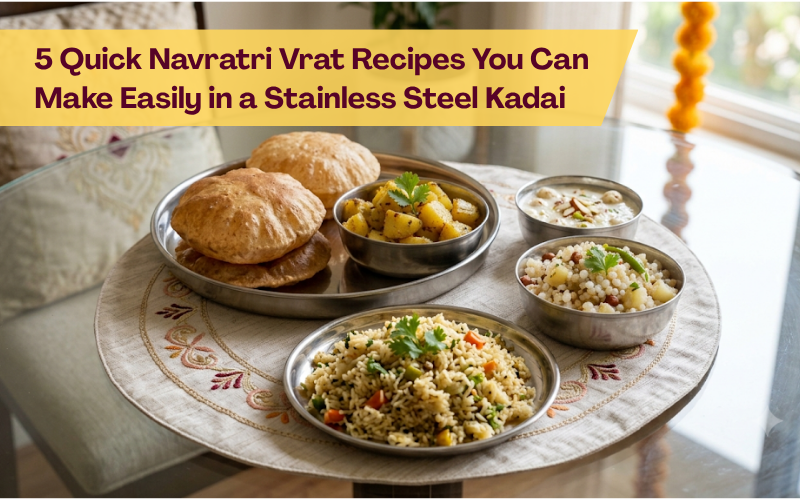
2. For Gravies, Curries & Deep Frying
Indian cooking often involves rich gravies and high-heat frying, something non-stick struggles with over time.
A Triply Stainless Steel Kadai is ideal because:
-
It retains heat for proper masala cooking (bhuno)
-
Handles deep frying without coating damage
-
Doesn’t react with acidic ingredients like tomatoes
Whether it’s butter chicken, dal tadka, or frying puris, this is one of the most essential cookware pieces.
3. For Tadka & Tempering
Tadka is the foundation of Indian cooking, and it requires high heat for proper flavour release.
A Triply Stainless Steel Tadka Pan solves this perfectly:
-
Heats quickly and evenly
-
Enhances aroma of spices
-
Safe for repeated high-temperature use
Ideal for daily dal, sambhar, and finishing touches on dishes.
4. For Rice, Boiling & Everyday Cooking
From boiling milk to cooking rice or pasta, you need cookware that is safe, non-reactive, and easy to manage.
A Triply Stainless Steel Saucepot works best because:
-
It heats evenly without scorching
-
Is completely non-toxic
-
Works across multiple cooking needs
This becomes your multipurpose utility vessel in the kitchen.
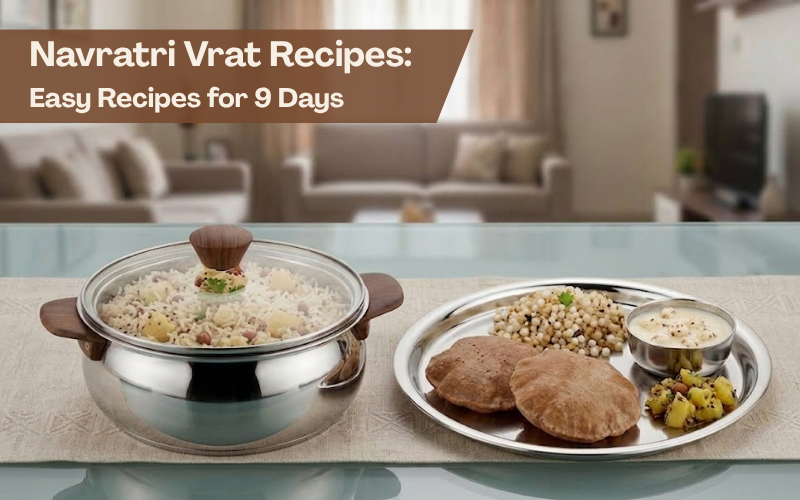
5. For Storing & Serving Hot Food (Casseroles)
One common problem in Indian homes is keeping food warm after cooking, especially for family meals.
Vinod’s Stainless Steel Casseroles are designed for this:
-
Help retain heat for longer durations
-
Maintain food freshness
-
Are durable and hygienic
Perfect for storing rotis, rice, or curries without reheating again and again.
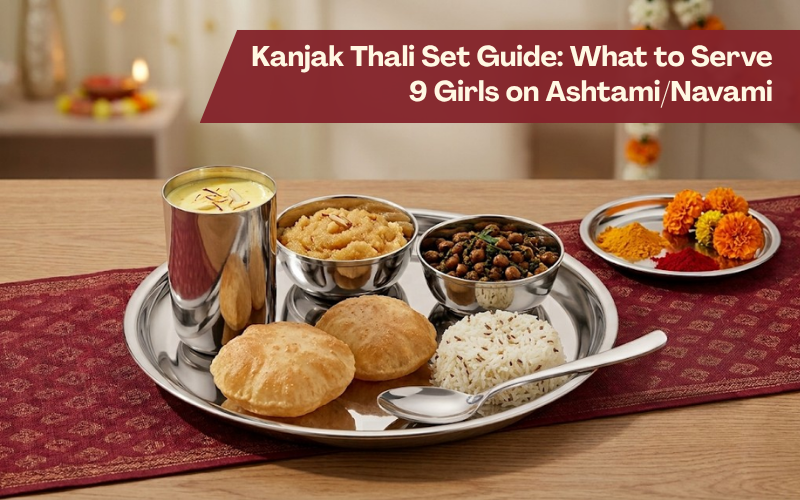
6. For Everyday Dining (Thali Sets)
Indian meals are diverse, dal, sabzi, roti, rice, all served together.
-
Is hygienic and long-lasting
-
Doesn’t absorb stains or odours
-
Is easy to clean and maintain
Ideal for daily meals, especially for families looking for durability over disposable options.
7. For Butter, Condiments & Table Use
Small details also matter in a kitchen and dining setup.
A Stainless Steel Butter Dish:
-
Keeps butter fresh and protected
-
Is more hygienic than plastic alternatives
-
Adds a clean, premium feel to your dining table
A simple upgrade that improves both storage and presentation.
Why This Matters in the Stainless Steel vs Non Stick Cookware Debate
When you look at these real-life use cases, the difference becomes obvious.
Non-stick cookware is limited to a few specific tasks.
But stainless steel:
Covers cooking, storage, and serving
Handles Indian cooking techniques easily
Offers long-term durability and safety
That’s why in the stainless steel vs non stick cookware comparison, stainless steel isn’t just better, it’s more versatile across the entire kitchen.
Health & Safety: The Biggest Shift in 2026
Consumers today are actively searching for non toxic cookware India.
This is where stainless steel clearly stands out:
-
No chemical coatings
-
No peeling or flaking
-
Safe for acidic foods like tomato gravies
Triply stainless steel cookware uses food-grade 18/8 steel, which is hygienic and non-reactive. So if health is a priority, the answer in the stainless steel vs non-stick cookware debate is straightforward.
Durability & Cost: The Real Value
Non-stick seems cheaper, until you replace it again and again.
Stainless steel:
Lasts 10+ years
Doesn’t lose performance
Handles rough use
A well-built kadai or frypan becomes a one-time investment, not a recurring expense. That’s why in the steel vs nonstick India comparison, stainless steel delivers better long-term value.
Which Is the Best Cookware for Indian Cooking?
If your cooking includes, frying, tadkas, gravies, and daily heavy use for Indian dishes.
Then stainless steel is clearly the best cookware for Indian cooking. Non-stick can be a secondary option, but not your primary cookware.
Final Verdict: What Should You Choose?
If you look at how Indian kitchens actually function, the answer becomes simple.
-
For high-heat cooking, durability, and daily use - Stainless steel is the better choice
-
For occasional low-oil convenience - Non-stick can be useful
But when you evaluate the full picture, health, performance, and long-term value, stainless steel clearly leads in the stainless steel vs non stick cookware comparison.
More importantly, investing in high-quality cookware makes all the difference. With thoughtfully designed products like Vinod’s Triply Stainless Steel range, you’re not just buying cookware, you’re upgrading how you cook every day. From evenly cooked sabzi to perfectly simmered curries, the right cookware improves both taste and efficiency.
Upgrade your kitchen with safer, long-lasting cookware, shop your stainless steel kitchen essentials at Vinod Steel today.
FAQs
1. Which is better: stainless steel or non-stick cookware for Indian cooking?
Stainless steel is better for Indian cooking because it handles high heat, frying, and heavy use without damage, while non-stick is limited to low-heat and light cooking.
2. Is stainless steel cookware safer than non-stick?
Yes, stainless steel is considered safer because it is non-reactive and does not contain chemical coatings, making it a popular choice for non toxic cookware in India.
3. Why does food stick in stainless steel cookware?
Food sticks when the pan is not preheated properly. Heating the pan first and then adding oil helps create a natural non-stick effect.
4. Is non-stick cookware harmful for health?
Non-stick cookware is generally safe when used correctly, but overheating or scratching can damage the coating, which is why many people prefer stainless steel for daily cooking.
5. What is the best cookware for Indian cooking in 2026?
Stainless steel cookware, especially triply stainless steel, is considered the best cookware for Indian cooking due to its durability, even heating, and safety.
Explore the full Vinod Steel range — cookware, tableware, tiffins and dinner sets. ISI certified, food grade, lifetime guarantee against rust.