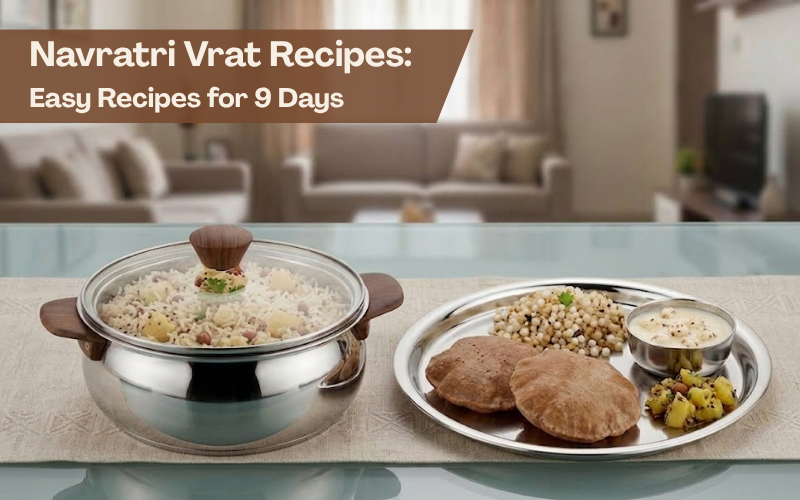

The best way to store ghee in winter is to keep it in an airtight stainless steel container at room temperature, away from moisture and direct cold. Using a steel container for ghee helps preserve its flavor, aroma, and texture without refrigeration.
Winter mornings feel incomplete without the aroma of warm rotis topped with pure ghee.
But as comforting as ghee is, colder months can make it tricky to store. If you’ve ever opened a jar to find hardened ghee or a dull aroma, you’re not alone. Understanding the best way to store ghee in winter helps preserve its rich flavor, grainy texture, and purity for months.
Let’s walk through simple, traditional, and practical ghee storage tips that actually work, especially if you buy ghee in bulk.
Why Ghee Behaves Differently in Winter
Ghee naturally solidifies when temperatures drop. This is normal and does not mean it has gone bad. However, improper storage can lead to:
-
Loss of aroma
-
Grainy texture becoming too hard
-
Moisture absorption
-
Reduced shelf life
That’s why following the best way to store ghee in winter is essential, especially in Indian kitchens where ghee is used daily.
Best Way to Store Ghee in Winter (Tried & Trusted)
1. Always Choose the Right Container
One of the most important ghee storage tips is avoiding plastic or glass for long-term storage. A steel container for ghee is the safest and most traditional choice.
High-quality stainless steel:
-
Maintains temperature stability
-
Prevents moisture entry
-
Does not react with ghee
-
Keeps flavor intact
For families that buy ghee in large quantities, a deep dabba or stainless steel storage container is ideal. VinodSteel’s steel storage containers are designed for bulk storage and everyday kitchen use, making them perfect for winter ghee storage.
2. Keep Ghee Away from Direct Cold
While winter is cool, placing ghee near windows or on cold marble slabs is not recommended. One of the most overlooked ghee storage tips is storing it inside a kitchen cabinet, away from drafts and extreme cold.
This helps maintain a smoother texture and prevents ghee from becoming rock solid.
3. Use a Dry Spoon, Always!
Moisture is ghee’s biggest enemy. Even a few drops of water can spoil it.
Using a completely dry spoon is a small habit but plays a huge role in the best way to store ghee in winter.
Steel containers for ghee work well here because they don’t trap condensation like some other materials.
4. Avoid Refrigeration
Contrary to popular belief, refrigerating ghee is unnecessary, especially in winter. It alters texture and makes usage inconvenient.
Room temperature storage in a steel container for ghee is more than enough and aligns with traditional Indian practices.
5. Bulk Ghee Storage? Go Airtight
If you purchase ghee monthly or seasonally, investing in a deep stainless steel dabba with a snug lid is one of the smartest ghee storage tips.
Airtight steel storage containers:
-
Lock in aroma
-
Protect from humidity
-
Keep ghee fresh for months
This is why many households prefer Vinod Steel deep dabbas for storing homemade or store-bought ghee in bulk.
Traditional Wisdom Meets Modern Kitchens
For generations, Indian homes have trusted Vinod Steel for food storage cookware and kitchenware, and for good reason. Choosing the best way to store ghee in winter doesn’t require fancy solutions, just the right habits and the right container.
A sturdy steel container for ghee ensures your ghee remains as pure, fragrant, and nourishing as the day you bought it.
Frequently Asked Questions
1. What is the best way to store ghee in winter?
Store ghee at room temperature in a dry, airtight steel container.
2. Can ghee spoil in winter?
No, if stored correctly. Moisture and contamination cause spoilage, not cold.
3. Is stainless steel good for storing ghee?
Yes, a steel container for ghee is one of the safest and most hygienic options.
4. Should ghee be refrigerated in winter?
No. Refrigeration is unnecessary and affects texture.
5. Why does ghee become hard in winter?
Lower temperatures cause natural solidification, it’s completely normal.
6. How long can ghee be stored in a steel container?
Up to 6–12 months if kept dry and airtight.
7. Is deep dabba good for bulk ghee storage?
Yes, deep stainless steel storage containers are ideal for bulk ghee storage.
Explore the full Vinod Steel range — cookware, tableware, tiffins and dinner sets. ISI certified, food grade, lifetime guarantee against rust.