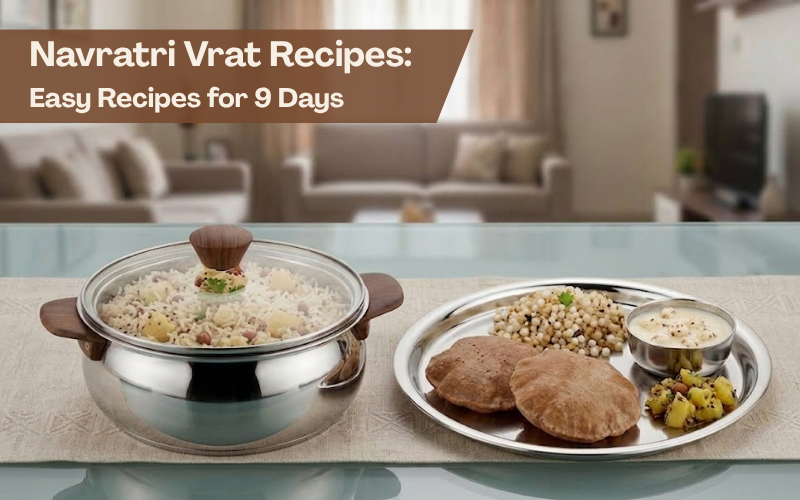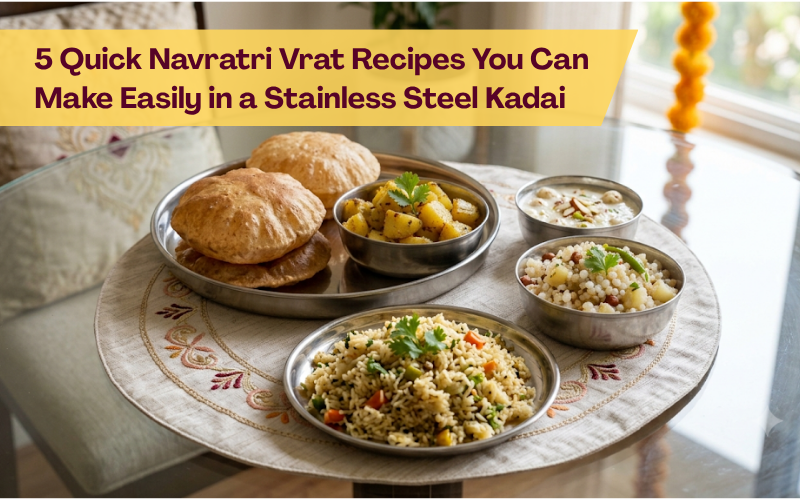

Winter cooking hacks that save gas and keep food hot longer include cooking covered, preheating cookware briefly, batch-cooking base gravies, using triply cookware to reduce cooking time, and transferring food straight into insulated hot casseroles for serving. Choosing retain heat cookware like heavy-gauge kadais and insulated casseroles helps maintain temperature and improves winter meal efficiency.
Winter kitchens have a special kind of magic, steam on the windows, a pot gently bubbling, and that first warm bite that feels like a blanket. But let’s be honest: winter also brings longer cooking times, more gas usage, and food that cools down way too quickly the moment everyone sits down.
That’s exactly why these winter cooking hacks are a lifesaver. With a few smart habits (and the right cookware), you can reduce cooking time, save gas, and serve meals that stay hot longer, without turning your cooking routine into a marathon.
Below are my favorite winter cooking hacks for a warmer, easier season in the kitchen, plus the Vinod Steel cookware and hot casserole essentials that make them effortless.
Pre-heat smart (not long): warm the cookware, not the whole kitchen
One of the simplest winter cooking hacks is to pre-warm your pan for just a minute before adding oil or ingredients. In cold weather, cookware starts colder than usual, so it takes longer to come up to temperature.
For quick daily cooking, reach for Titanium Triply, it’s designed for efficient, even heating, which helps reduce cooking time for sabzis, gravies, oats, upma, and stir-fries.
Great options include:
This is one of those winter cooking hacks that feels small, but adds up daily, especially on busy mornings.
Cook with a lid whenever you can it’s basically heat insurance
If you want to reduce cooking time, cook covered more often, dal, curries, pasta, even sautéed vegetables. A lid traps heat and steam, speeding up cooking and keeping moisture where you want it.
Two winter-friendly picks:
-
VINOD Doniv Titanium Triply Stainless Steel Sauce Pan with Cover
-
VINOD Doniv Titanium Triply Stainless Steel Sauce Pot with Cover
Among practical winter cooking hacks, this is one of the best for saving gas, because covered cooking needs less flame time.
Batch-cook “base gravies” and reheat like a pro
Winter meals often repeat: rajma, chole, paneer gravies, tomato-onion masala, soup bases. One of my favorite winter cooking hacks is to cook a base gravy in a larger batch, then portion it for the next 2–3 meals.
When reheating, use a retain heat cookware approach:
-
Reheat only what you need.
-
Use a lid.
-
After boiling, simmer for a minute, then switch off and let residual heat finish the job.
For hearty simmering, the Claro heavy-gauge range is a winter favorite:
It’s ideal when you want steady warmth and comfort-food consistency (and it supports the whole retain heat cookware idea beautifully).
Tempering trick: heat tadka fast, pour immediately
Craving hot dal at dinner? Keep tadka quick. A compact, fast-heating tadka pan is a quiet hero in winter.
Use:
This is one of those winter cooking hacks that saves gas and keeps flavor bold, because your tempering stays hot and aromatic right up to the pour.
The #1 serve-hot strategy: move food straight into a hot casserole
Here’s the truth: even the best cooking loses its charm if food turns lukewarm on the table. So the coziest of all winter cooking hacks is this:
Cook hot, transfer immediately into a hot casserole, serve from there.
That’s where your hero range shines. Top picks to feature in winter hosting and daily dinners:
-
VINOD Stainless Steel Aroma Insulated Casserole with Glass Lid & Wooden Knob
-
VINOD Stainless Steel Montero Insulated Casserole with Glass Lid & Steel Knob
Want something extra elegant for the table (especially when guests are over)?
-
Vinod Stainless Steel Milano Hammered Serving Casserole With Steel Lid & Side Handle
-
Vinod Stainless Steel Milano Plain Serving Casserole With Steel Lid & Side Handle
This is the real-world meaning of retain heat cookware, not just during cooking, but during serving, when it matters most.
Keep rotis softer longer: stack and store warm
Another must-have in your list of winter cooking hacks: store rotis/parathas immediately so they don’t dry out.
Use:
When your tableware supports the retain heat cookware principle, warm breads stay soft, and dinner feels unhurried.
Hot pot = winter’s meal-prep shortcut
For busy days, one of the most practical winter cooking hacks is to keep soups, khichdi, pongal, or curry warm for longer, especially if family members eat at different times.
That’s where:
-
VINOD Stainless Steel Hot Pot
becomes a winter essential. It also helps reduce cooking time indirectly, because you’re reheating less often.
Conclusion
Winter cooking doesn’t have to mean longer hours in the kitchen or constant reheating. With a few thoughtful winter cooking hacks, the right cookware, and smart retain-heat choices, you can enjoy hot, comforting meals while saving both time and gas. From quick, even-heating cookware to insulated hot casseroles, Vinod Steel makes it easier to cook efficiently and serve food that stays warm longer, so every winter meal feels cozy, fresh, and effortless.
FAQs
-
What are the best winter cooking hacks to save gas at home?
The best winter cooking hacks to save gas include cooking with lids on, using cookware that heats evenly, avoiding frequent reheating, and transferring food into insulated hot casseroles. These habits prevent heat loss and reduce overall cooking time, helping you save fuel during winter. -
How can I reduce cooking time in winter without compromising taste?
You can reduce cooking time in winter by using titanium triply cookware, cutting ingredients evenly, soaking grains in advance, and cooking covered. Turning off the flame slightly early and using retained heat also helps finish cooking without affecting taste. -
Which cookware is best for winter cooking, triply or heavy-gauge stainless steel?
Triply cookware is best when you want faster cooking and even heat distribution, while heavy-gauge stainless steel is ideal for slow cooking and simmering winter comfort foods. Using both gives you flexibility for different winter recipes. -
How do I keep chapatis and parathas warm and soft for longer in winter?
To keep chapatis and parathas warm in winter, place them immediately into an insulated hot casserole after cooking. This retain heat cookware method keeps breads soft and warm without drying them out or needing reheating. -
Do insulated hot casseroles really keep food hot for hours?
Yes, insulated hot casseroles are designed to retain heat by trapping warmth inside. When food is transferred hot, these casseroles help keep meals warm for long periods, making them perfect for winter lunches and dinners. -
What should I look for in retain heat cookware for Indian cooking?
For Indian cooking, retain heat cookware should have a thick base, even heat distribution, and tight-fitting lids. Triply cookware works well for cooking, while insulated casseroles are best for keeping food hot after cooking. -
Is it better to store food in a casserole or reheat multiple times in winter?
Storing food in a hot casserole is better than reheating multiple times in winter. It saves gas, maintains food texture, and keeps meals tasting fresh while staying warm naturally.
Explore the full Vinod Steel range — cookware, tableware, tiffins and dinner sets. ISI certified, food grade, lifetime guarantee against rust.